
Seasoned, Not Replaced
On the tools and experiences that shape us as much as we shape them.

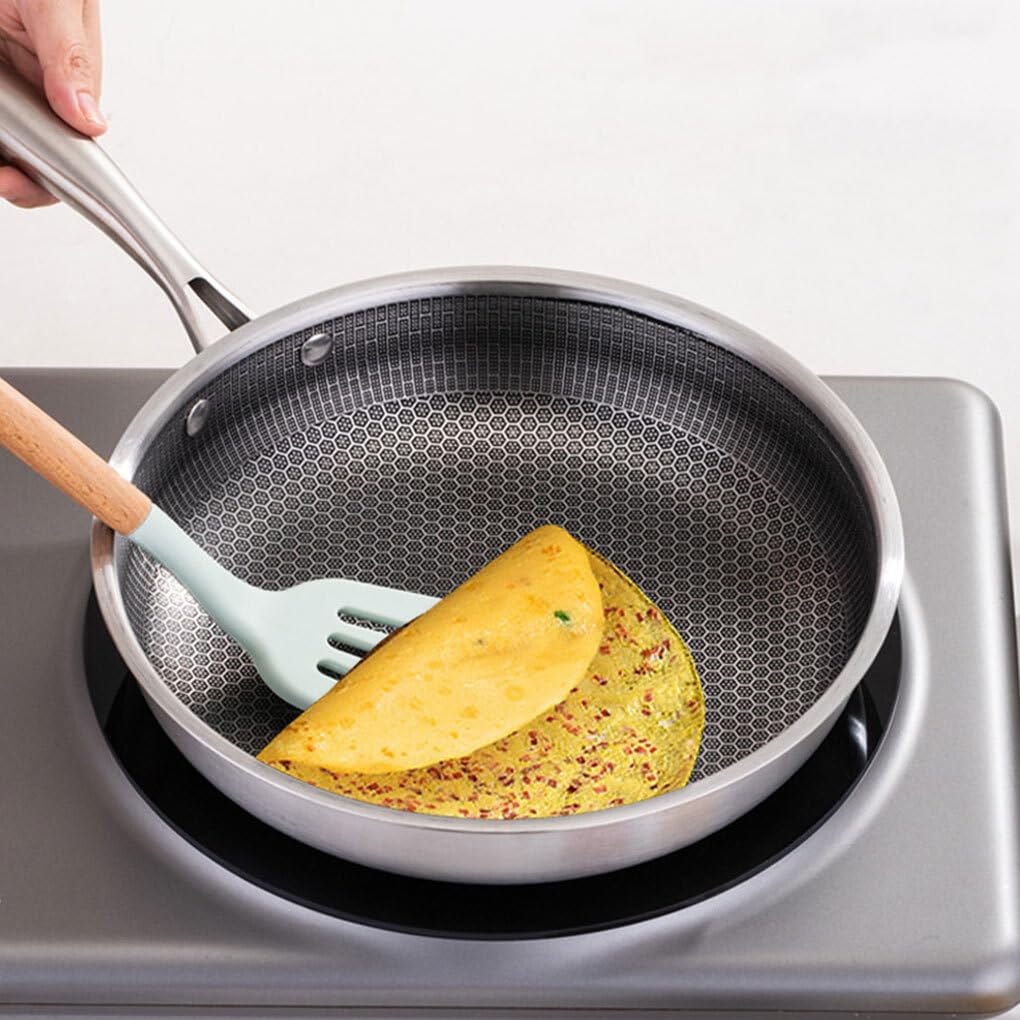
The modern kitchen is a marvel. So efficient, optimized, smart and convenient. It encourages us to look for constant upgrades to make our daily lives easier. Yet with all of this progress and high tech, non-stick coatings still wear off after a couple of years, appliances seem to be engineered with planned obsolescence and the magical gadgets that every now and then become viral, end up in landfills as garbage instead of our kitchen drawers as long lasting tools that will be used for generations. We’ve decided to move the concept of fast fashion from our clothes to our kitchens. Trendy, flashy, quick and ultimately disposable. Always chasing the next thing, always replacing what we have for something new, something that promises to be better, but rarely is.
Here’s what this cycle quietly costs us: The tools that define a kitchen are not the ones that arrive latest. They are the ones that stay the longest. The ones that earn their place not through novelty, but through use, care and time. The ones that not only survive the passage of time… But actually improve because of it.
Traditions, after all, are just experiments that worked. And the kitchen tools that have endured are proof that some things were already right before anyone thought to replace them.
The Chemistry of Seasoning
Cooking is way more than simply turning ingredients into a meal, kitchens are laboratories in which we create things. There is real chemistry behind the word “seasoning” and it has nothing to do with salt or spices. When you cook with a cast iron pan and use oil/fats, the heat produces a reaction called “polymerization”. The pan has microscopic pores that the oils bond to. The more you cook the more a layer of that seasoned “enamel” attaches to your pan, creating a smooth surface that is naturally non-stick. What once was a piece of rough and unglamorous metal, becomes something else entirely. The hard inert iron becomes alive. It morphed into something different… Better. Use, heat, time, care and a cook willing to constantly show up, made it all possible. This transformation doesn’t happen in a factory, it happens in your kitchen.
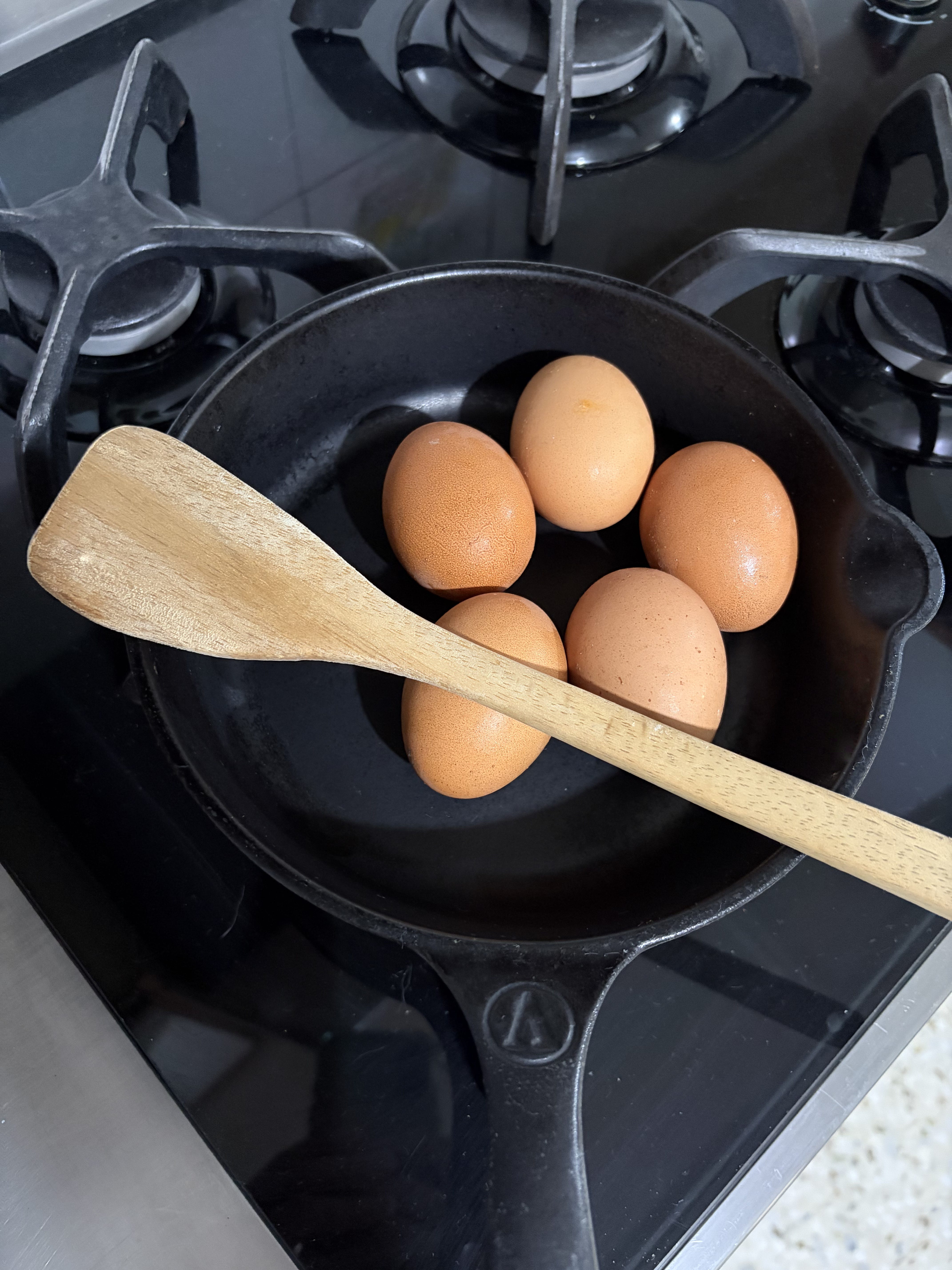
A little more than a year ago. I bought a cast iron pan, I was tired of replacing non-stick pans, tired of throwing away money and cookware that with every use was getting closer to the end of its usable life, something that time was only gonna degrade. Today, over 400 days in. My pan is already better than the day I bought it. It is darker, smoother, responds to and holds heat nicely, and has built a relationship with me with every single use. I make my morning eggs there and after the necessary learning curve (and lots of eggs wasted in the process ) I couldn’t be happier with it. It was an investment and a statement at the same time. With basic care this pan will outlive me. And someday, someone will inherit a tool that in the shadows has been quietly perfecting itself for decades.
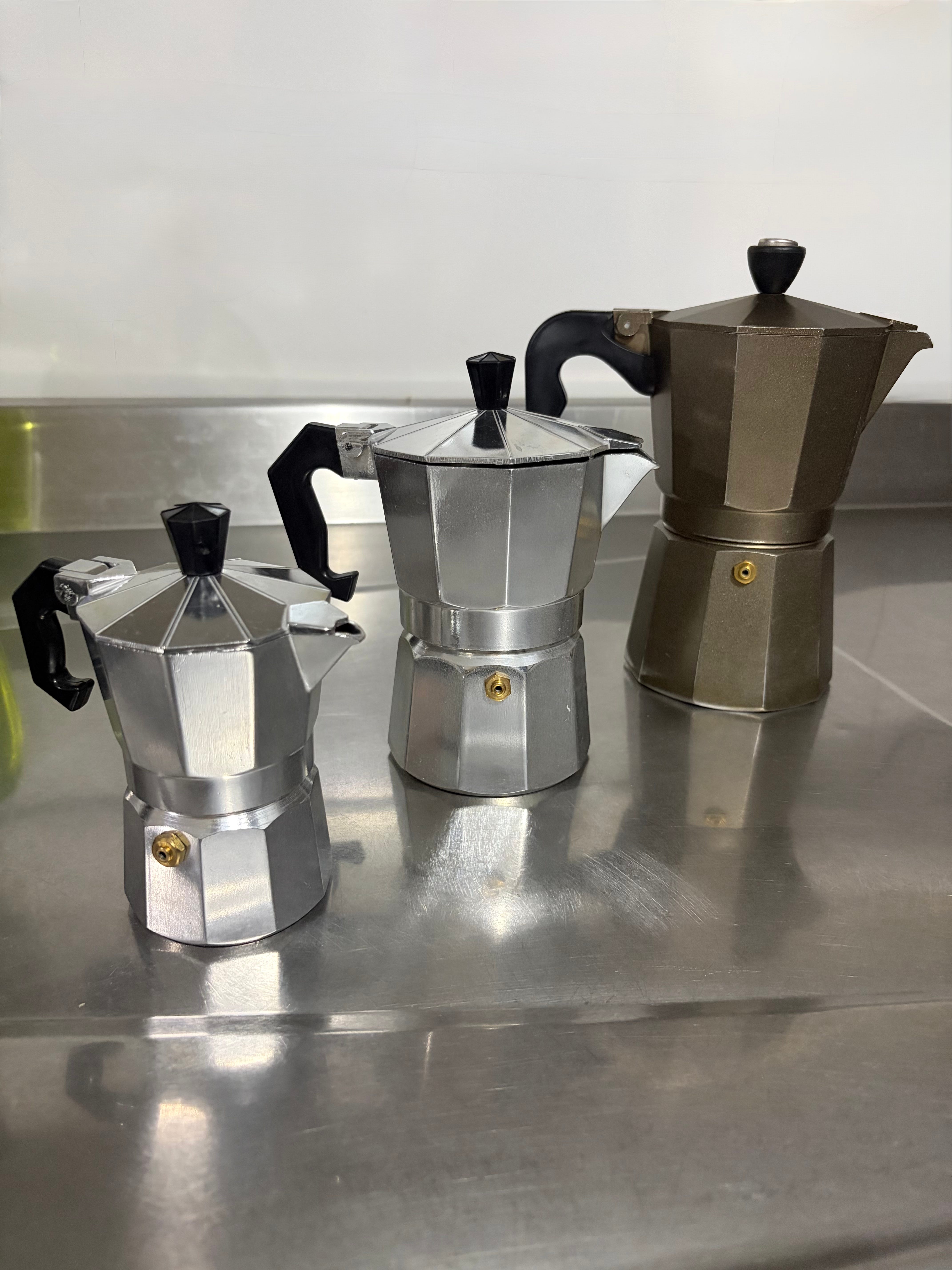
Another example of this same principle can be seen in the humble process of making coffee at home. A well used and cared for moka pot with time starts to create its own love affair with the coffee it’s brewing. A brand new moka pot makes decent coffee for sure. But one that has been placed in the stove several times, one that has been filled up to the valve, embraced the grounds in its basket and has produced numerous cups of coffee, counterintuitively produces a better result. The metal, the filters, the gaskets or maybe the person using it got seasoned and created their own quiet memory of every coffee brewed through it. Just like a young talented player of any sport has a ton of potential in the first years of their career… The peak of the real tools in the kitchen comes a couple of seasons after. And instead of declining they enter a “prime” that shows what they were always capable of, and this will last as long as the people using them respect and care for them.
None of this is decoration. It’s chemistry, patiently practiced. And it’s proof that some tools don’t resist time… They collaborate with it.
The Ergonomics Of Use
When you pick up a new kitchen tool, it starts asking. It demands you to learn about it. Its grip, balance and quirks. It usually comes with a little pamphlet with the instructions (that nobody reads LOL). You have to adapt to the object. An old tool works exactly the other way around.
My wooden spatula has spent the last year making eggs in the previously mentioned cast iron pan, and it slowly stopped being a generic spatula and started to be “mine”. The edge of it has worn down at a slight angle and now fits exactly the curve of my pan. The handle has smoothed in the places my fingers rest. It was not designed that way. Me and the time spent with it gave it a different function. It doesn’t do the job anymore. It does it the way I want it to do it.
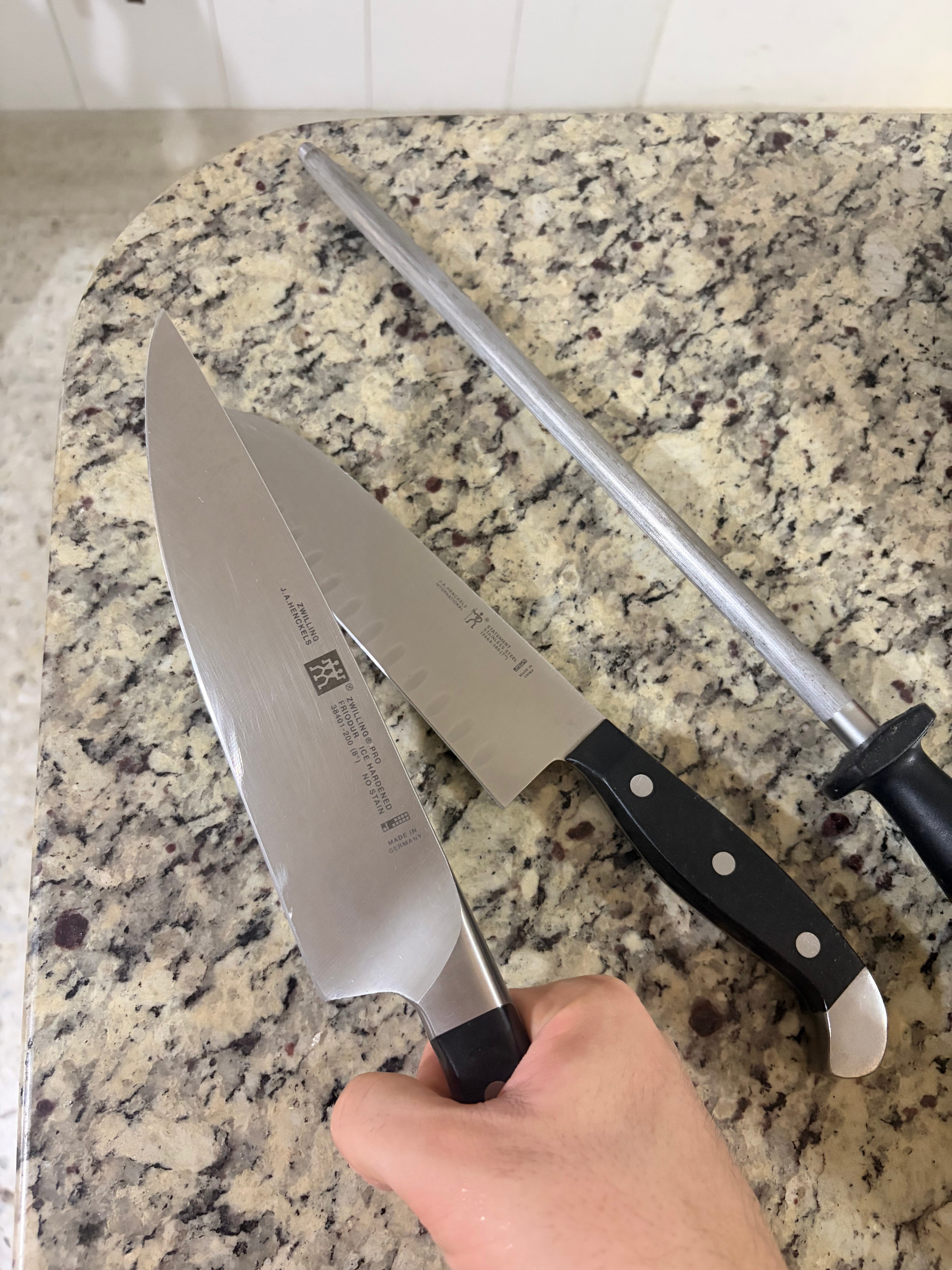
A similar thing happens to a chef knife that has spent decades accompanying the same cook. The handle has imperceptibly molded perfectly to the grip of its owner. The blade has been reshaped by the honing process necessary to keep it sharp. The spoon that has stirred the same pot of sauce for years has also adapted to the recipe it so faithfully replicates everyday. And the purist would argue that said recipe doesn’t turn out the same if the tools used are different. This happens because they carry what I’d call a physical signature proof, worn into the object itself, of every hand that’s used it and every motion that’s been repeated until it became second nature.
The comparison with the “new gadget” is ridiculous. The single-purpose device that promises the solution to a problem (that usually doesn’t exist) requires you to learn its interface, charge it, replace the batteries, and eventually replace it with the next big thing that promises to do the same job better or solve an even bigger and nonexistent problem. They’re designed to never adapt to you. It’s a one way street and temporary relationship that ends up with either a breakup or a full garbage bin.
An old tool doesn’t ask you to learn it. It has already learned you.
The Psychology of Inherited Objects
There’s so much depth when cooking with something that was part of someone else’s journey in the kitchen before.
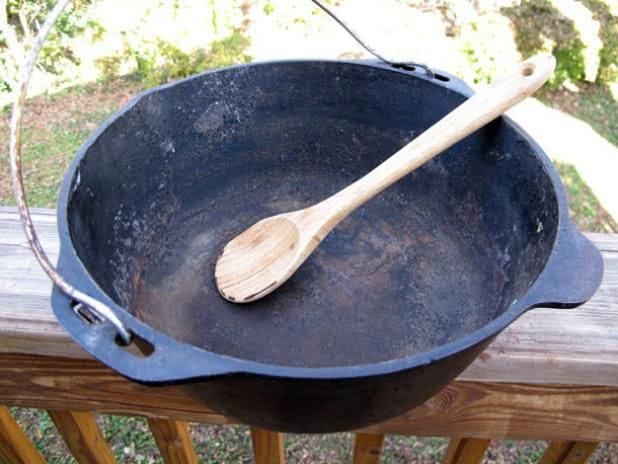
Grandma ‘s pot. A knife that spent years as the faithful companion of someone who decided to now give it to you. A pan that’s been seasoning since before you were born. Being in the presence of these objects creates a subtle and almost involuntary dialogue. You are in the here and now occupying the same physical space that people before you once occupied. Touching the same handle, managing the heat to perform a version of the same ritual of cooking performed decades earlier. None of this is a romanticized drama. It happens quietly and subtly changes the way you cook. Because it’s like someone is watching you. And actually in a sense, someone always is
.
But you don’t need to inherit an object to feel this weight. You only need to understand what you’re actually doing when you take care of a good tool.
My pan is a little over a year old and it has decades ahead of it if I treat it right. This has a much deeper meaning than what appears on the surface. I’m the current custodian of the pan but not its owner. I’m the person responsible for its condition during the small window of time it will be with me. Every time I take good care of it, season it, dry it, and avoid the dish soap (that would strip away the coating that’s been built), I’m not doing it for myself. I’m preparing it for whoever comes after me. A person I may never even meet but that will carry quietly and invisibly a trace of me in every future meal it makes.
That’s the real psychology at work here. Owning a well made tool is temporary. Caring for it is a kind of quiet promise… That you’ll leave it better than you found it, and hand it forward when your time with it is done.
I don’t mean for this to be a rejection of progress. Of course new tools have their place and not necessarily everything old deserves to be kept just because of its age. The thing is that in this crazy journey of modern life, we have slowly forgotten that the best kitchen tools (just like the best things in life) were never supposed to be temporary. They were supposed to be a companion. In an everyday more lonely world, companions become even more valuable. Things that get better precisely because we didn’t give up on them.
The reward doesn’t come from impatience, rush or neglect. The reward comes from years, many meals, mistakes and the decision of showing up again and again instead of trading up. Patience is not our default setting in the way we live, but surely is still available to anyone willing to choose it. And something tells me that this is the real seasoning. Not the pan or the pot. But us… Slowly shaped by the tools we return to, one ordinary meal at a time.
What is the one thing in your kitchen you’ll never replace?
Juan Camilo Quintero
What stayed with me throughout this piece is the topic of transience. With time we tend to replace everything we use: our phones, hairbrushes, clothes or our favorite dumbbells. Unlike most material things, cookware seems to be getting better with time, not worse. So whenever I see these fleeting trends on social media that promote overconsumption and capitalism at its worst, I cringe a little.
Your old crusty pan is better than a brand-new one from the store. Your dull bread knife holds memories of when your nan used to make you a sandwich for breakfast. Your obviously used plates have served some of the best food you’ve eaten.
I firmly believe kitchen utensils hold memories better than most other objects.