
Why Do We Save The Good Stuff?
Maybe the mistake isn't saving something for a special day... Maybe the mistake is not believing that ordinary days are special.

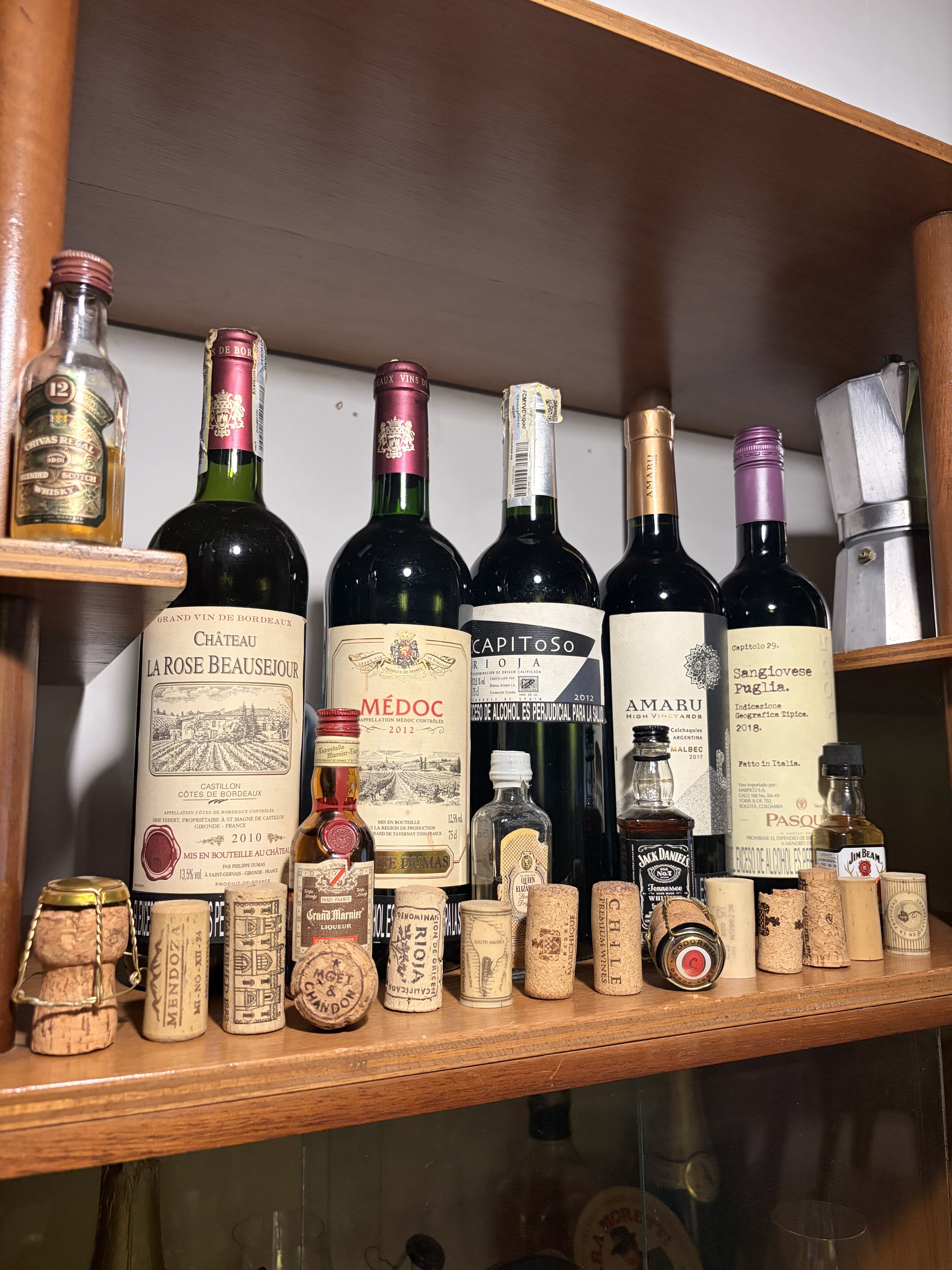
In 2018 (which feels like an eternity now), I found a beautiful bottle of French wine, a 2010 vintage from a château in Côtes de Bordeaux. The “Grand Vin de Bordeaux” label immediately made me feel like this bottle should be treated with absolute care and reserved for a truly special occasion. I decided to wait until 2020 to commemorate the wine turning a decade old. It felt like a milestone, and honestly, the caption “2010s for the 2020s” was just too cool not to be posted on social media. That was the plan.
But 2020 had a very different plan for all of us. The pandemic hit, we were locked down in our homes for months, and our realities and routines changed completely. The timing never felt right, so I pivoted. I told myself that as soon as things got better and a sense of “normality” returned, the cork would fly. But the pandemic ended, and the bottle just kept sitting there on display symbolizing a “worthy time” that never actually seemed to arrive. It became a piece of decoration rather than what it was always supposed to be… Something to be enjoyed.
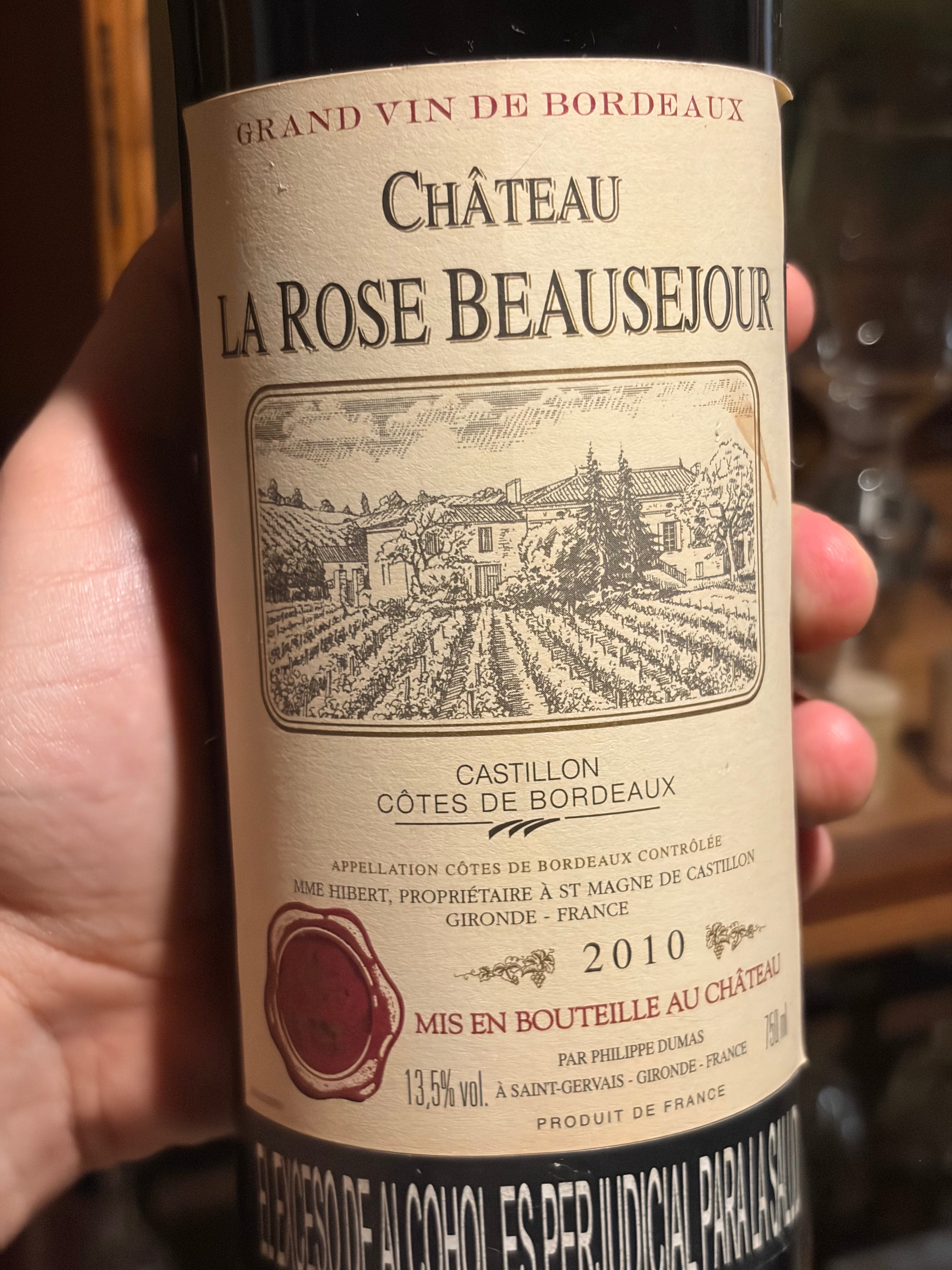
I checked on it recently, it has sediment now, (since it was stored upright and not on its side) . A small mistake that the passage of time made permanent. The wine may still be fine, I honestly don’t know. But what actually feels wrong is that a bottle that travelled across the ocean to reach a different continent, sat on a shelf, and was bottled 16 years ago in the French countryside has found its final destination at a bar in Colombia as living proof that humans love delaying joy. We spend our lives waiting for a better time that might not even exist, forgetting that a regular Tuesday should be (and is) just as deserving as any “special occasion” our minds can create.
The Psychology of Saving
We save things because we love them. That’s the easy answer. The more complicated (and probably more accurate) reason is that we save things because we don’t trust the present moment to be worthy of them. The fancy china feels wrong for a regular dinner. The premium olive oil seems too precious to be splashed onto a humble bowl of pasta. A fine bottle of wine needs a reason to be uncorked that usually never comes. So we wait, we hesitate and create a fake sense of “respect” not only for a worthy moment, but for the object itself.
In reality, three distinct things are happening simultaneously within us: a mixture of reverence, fear, and hope.
Reverence, because when something feels valuable, we instinctively want to honor it with an occasion that matches its significance. We tell ourselves that “this object deserves better than today.”
Fear, which arrives with a quiet sense of anxiety and a nagging question: “What if the moment doesn’t live up to expectations?” The entire experience of enjoying a good thing becomes a hostage to our fear that we’ll waste it on something unworthy or ordinary.
And finally, Hope, perhaps the most human element of the three. It is the belief that somewhere ahead of us lies a moment so perfect, so clearly special, and so obviously the right occasion that we’ll recognize it the instant it arrives. We save things for that moment the way we save money for a dream, with the quiet faith that the future holds something worth waiting for.
The problem is that the future is notoriously bad at delivering on that faith. And ordinary days have a way of being the only days we can truly count on having.
The Cost Of Waiting
Every decision we make comes with a cost. And when we decide to wait, we certainly pay a price for it. We just rarely think about it until we’re holding a bottle with sediment at the bottom.
Things change while we wait for the right moment. Wine evolves, sometimes beautifully and other times terribly. China stored in a cabinet might get chipped or cracked without us knowing about it. Giving us an unpleasant surprise at the very moment we thought the occasion deserved it. A chipped plate ruins the moment we so patiently waited for. A great olive oil goes rancid if saved for too long. And even our clothes can be targeted by moths before the right time for us to wear them show up. So clearly the most obvious cost is physical. Objects have their own timeline (sometimes a totally different one than ours), they follow it whether we are ready or not, and they’re not as patient as we imagine them to be.
But the physical cost is almost the least important one.
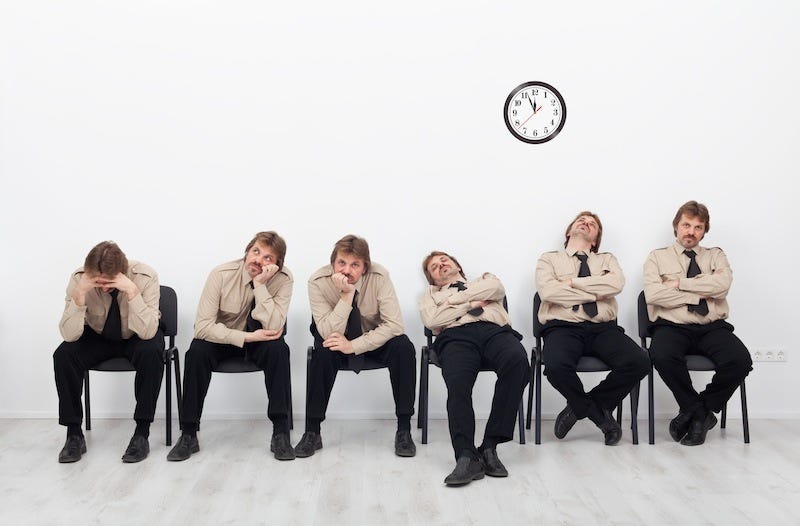
The emotional cost of waiting is quieter and harder to digest. Every time we choose later over now we are making a cumulative decision. We are signaling that right now is not enough. That this moment of our lives doesn’t quite qualify. We do it so naturally and repeatedly that we don’t notice the compound effect that this belief slowly builds inside us: that joy is something that needs to be earned, that our life (yeah the ordinary one) is a waiting room for the real thing.
And the most expensive of all the costs is the philosophical one. When we become accustomed to treating the present as insufficient. We start living in a permanent state of anticipation. Looking towards a future that keeps moving. The “special occasion” becomes the pot of gold at the end of the rainbow, a horizon that’s always visible but never actually reachable. The worst part of living that way is that LIFE itself, with all its ordinary days, its everyday magic, and the quiet beauty we tend to overlook, slips past us entirely… Unnoticed and uncelebrated.
With every bottle that develops sediment, with every beautiful piece of china collecting dust, and with every missed chance to turn the ordinary into extraordinary, we aren’t just saving things. We are building a monument to our own hesitation, complete with a plaque that reads: “Not today, maybe tomorrow, surely never.”
The Mug
Not long ago while I was searching through a cabinet at my parent’s house, looking for a document. And there, between folders and random forgotten papers, I found it. A porcelain cup and a saucer. It was no ordinary object; the meticulous attention to detail, the intricate decoration, the golden trim, and the delicate lace edging showed that this cup was deeply special. It was my grandmother’s cup. The one she used to drink her café con leche in every single afternoon.
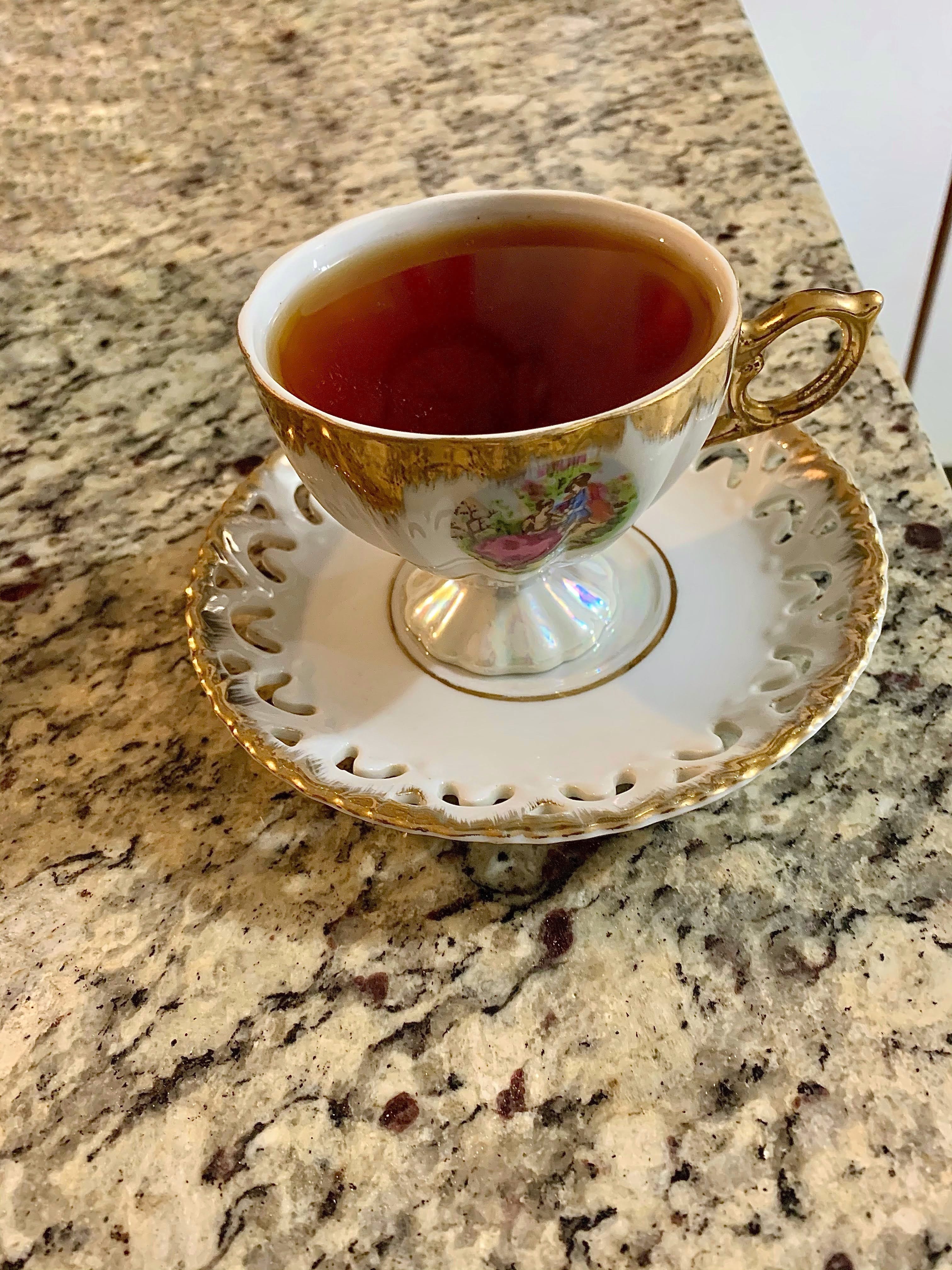
Yes, every afternoon. It was not reserved exclusively for birthdays, anniversaries, or when a guest visited. It was the daily protagonist of her afternoon ritual.
I took it out and made myself a cup of tea. I savored the moment, watching the steam rise while I got lost simply admiring the beauty of an ordinary afternoon through the eyes of my late grandmother. At that moment, I understood why she chose it daily. The cup didn’t have magical powers to make the beverage taste better, but it absolutely made the moment feel worthy of attention. There is something about holding a beautiful object, something built with history and care, that forces an ordinary afternoon to be noticed.
I used it for a couple of days, successfully defeating the temptation to secretly steal it for myself (LOL). Then, I put it back. It isn’t mine, after all; it belongs to my parents and carries a history that isn’t mine alone to claim. Today, I can’t remember with certainty if I ever found the document I was looking for. What I do remember, with absolute clarity, is the lesson that a forgotten cup taught me.
My grandma didn’t save the cup for a special occasion. She made sure that ordinary occasions had some beauty attached to them. She understood that in all the waiting and postponing, in every ignored day that simply passes by, we are losing chances and time that we are not able to take back. She taught me posthumously that everyday is the thing itself. And it deserves the good china.
Maybe the mistake was never saving things for a special day. Maybe the mistake was not believing that ordinary days are special enough to deserve them.
Juan Camilo Quintero
I love the meaning behind this so much, if we treat an 'ordinary' day like a special one, then that day will become special in itself! thanks for sharing
This is so interesting!